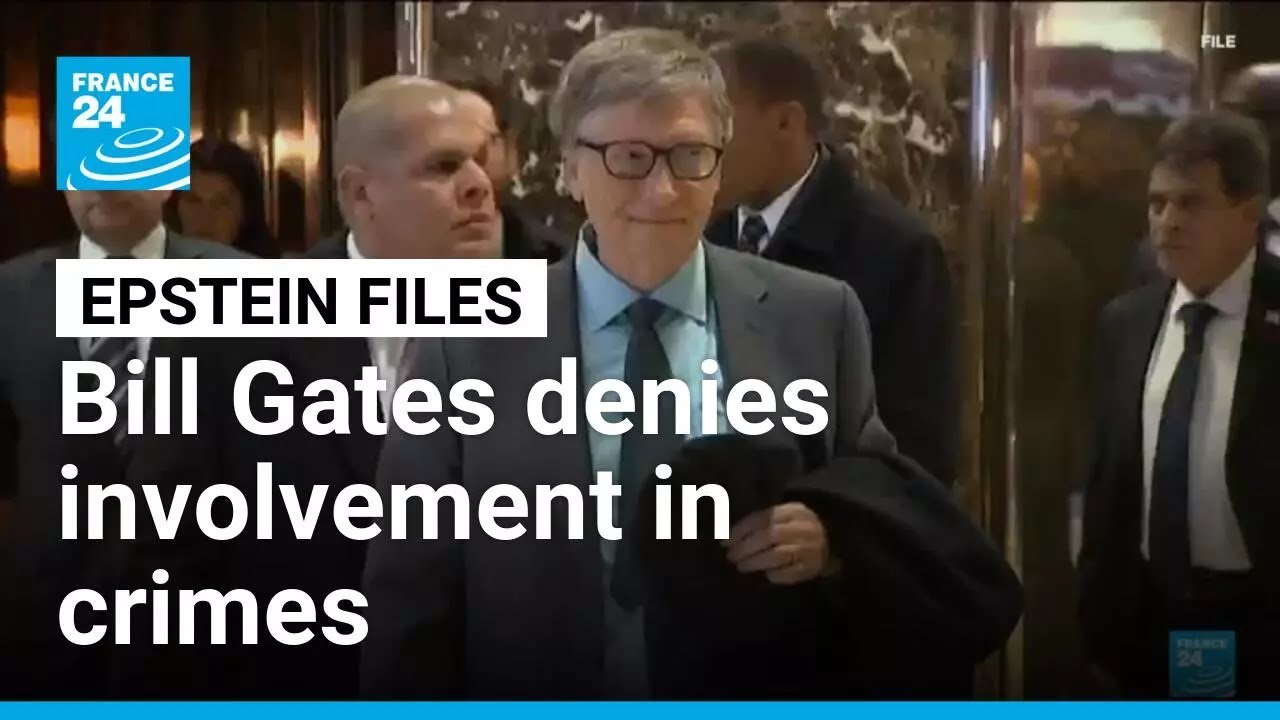
In a candid admission that sent ripples through the philanthropic and tech worlds, Microsoft co-founder Bill Gates has publicly acknowledged making a "huge mistake" by maintaining contact with convicted sex offender Jeffrey Epstein. This direct apology, reportedly delivered during a town hall meeting with employees, marks a significant moment of accountability for one of the world's most influential figures, highlighting the complex scrutiny facing those at the pinnacle of power and wealth.
Bill Gates Addresses Staff: An Unprecedented Apology
The admission came in the wake of newly released US Justice Department documents pertaining to Jeffrey Epstein, which mentioned Bill Gates. During a town hall meeting with employees of the Gates Foundation, Gates reportedly spoke openly about his ties to Epstein, taking responsibility for his actions. According to a Wall Street Journal report, which cited a recording of the meeting, Gates apologized not only for his own time spent with Epstein but also for the regrettable decision to involve foundation executives in these meetings.
“I apologize to other people who are drawn into this because of the mistake that I made,” Gates was quoted as telling his staff. This transparent approach, while delayed, aims to address the serious questions raised by his association with a man whose criminal activities have shocked the world. The apology signals an attempt to mend internal trust and reassure stakeholders of the foundation's commitment to its mission amidst ongoing external scrutiny.
The Genesis and Continuation of a Controversial Connection
Gates revealed that his relationship with Jeffrey Epstein began in 2011, a full three years after Epstein had pleaded guilty to soliciting a minor for prostitution. Despite Epstein's prior conviction and knowledge of an "18-month thing" placing restrictions on his travel, Gates admitted that he did not conduct a thorough background check on the financier.
The stated purpose of their meetings, according to Gates, was to discuss philanthropic endeavors, specifically to raise more money for critical global health issues. However, the continuation of these meetings became a point of contention and concern even within Gates's closest circle. His then-wife, Melinda Gates, reportedly expressed her worries about Epstein as early as 2013, yet Gates continued the relationship for at least another year.
The revelation underscores a critical lapse in judgment and due diligence. For organizations and individuals engaged in high-stakes philanthropy, it serves as a stark reminder of the paramount importance of thoroughly vetting all potential partners and associates. As Gates himself stated, "Knowing what I know now makes it, you know, a hundred times worse in terms of not only his crimes in the past, but now it's clear there was ongoing bad behavior." This sentiment reflects the profound moral and reputational damage that can arise from affiliations with individuals like Epstein, even when the stated intentions are benevolent.
For more details on the evolving timeline of their interactions, consider reviewing our article: Gates-Epstein Timeline: Unpacking the "Philanthropic" Connection.
Unraveling Deeper Implications: Allegations and Denials
Beyond the stated philanthropic discussions, the Justice Department documents and subsequent reports have hinted at a more complex web of interactions. Documents indicated multiple meetings between Gates and Epstein after Epstein's prison sentence. Intriguingly, images included in these files reportedly showed Gates posing with women whose identities were redacted, adding another layer of speculation to the nature of their association.
Gates has adamantly denied any involvement in Epstein's alleged crimes or contact with victims, telling employees, "I did nothing illicit. I saw nothing illicit." He also acknowledged two affairs with Russian women, an admission that surfaced alongside a previous Wall Street Journal report suggesting Epstein discovered one of these affairs and allegedly attempted to use this knowledge to threaten the Microsoft founder. This particular detail paints a troubling picture, suggesting a potential vulnerability exploited by Epstein, further complicating Gates's narrative of solely philanthropic discussions.
The Gates Foundation has consistently maintained that no financial payments were ever made to Epstein, nor was he ever employed by the organization. While this clarifies the financial aspect, the ethical and reputational questions surrounding the association remain potent. This complex interplay of public image, private life, and philanthropic aspirations continues to fuel public discussion and scrutiny.
The Fallout and the Path Forward
The recent disclosures have had immediate repercussions. Bill Gates recently canceled an appearance at an artificial intelligence summit in India, a clear indication of the ongoing sensitivity and the impact on his public engagements. The intense media spotlight on his ties to Epstein has undeniably affected his public standing, a stark contrast to his long-held image as the world's richest man and a pioneering force in technology and global health.
The episode serves as a powerful cautionary tale for high-profile individuals and their foundations. The immense power and influence wielded by figures like Gates necessitate an even greater degree of vigilance and accountability, particularly when engaging with individuals of dubious character. The public expectation for transparency and ethical conduct from those leading major philanthropic efforts has never been higher.
For individuals and organizations, the practical takeaways are clear:
- Rigorous Due Diligence: Never compromise on thoroughly vetting individuals, especially those with known criminal histories, regardless of their purported connections or proposed benefits.
- Listen to Internal Alarms: Pay heed to concerns raised by trusted colleagues and family members regarding associations that feel "off."
- Prioritize Reputation and Values: Understand that even perceived associations with unethical individuals can severely damage an organization's mission and credibility, potentially undermining years of positive work.
- Transparency in Crisis: When mistakes are made, a forthright and responsible admission, followed by tangible actions, is crucial for regaining trust.
The Gates Foundation, founded in 2000, remains one of the world's largest funders of global health programs, continuing its vital work. However, the controversy surrounding Bill Gates's past ties to Epstein will undoubtedly remain a significant part of his public narrative. The ongoing scrutiny highlights the indelible mark that associations, even those deemed "mistakes," can leave on a legacy.
The ongoing public discussion and further context regarding these events can be found in our related coverage: Bill Gates Faces Backlash Over Continued Jeffrey Epstein Ties.
Bill Gates's admission of a "huge mistake" regarding his contact with Jeffrey Epstein underscores a critical lesson in judgment and accountability. For a figure long synonymous with global philanthropy and technological innovation, this acknowledgment serves as a stark reminder that even the most powerful individuals are not immune to profound errors in judgment, with lasting consequences for their personal reputation, professional legacy, and the institutions they represent. The path forward for Gates and the foundation will undoubtedly involve navigating continued scrutiny, reinforcing ethical standards, and rebuilding trust in a world increasingly demanding transparency from its leaders.